Butyl Products Ltd
For expert help & Advice: +44 (0) 1277 653 281
Our experience encompasses every type of lining and containment project. We have worked with all lining materials and carried our projects on both large and small scales around the world. With the addition of our new Geomembrane Linings and Installations division, Butek Landline, the group continues to grow yet still provides the personal service and expertise that we have always been known for. Why choose us? Simple. Most companies are tied to one material type and their ‘designers’ are in fact salesmen. It is therefore not surprising that material selection often proves to be difficult. As true independents, we will advise you impartially and guarantee the results.
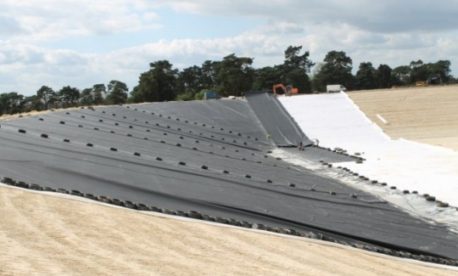
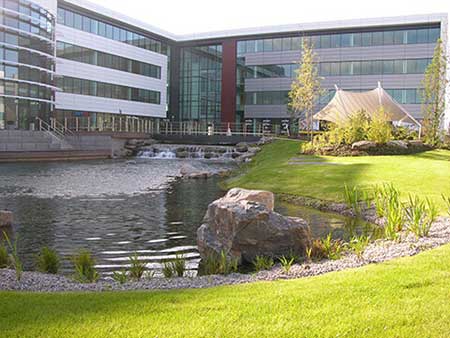
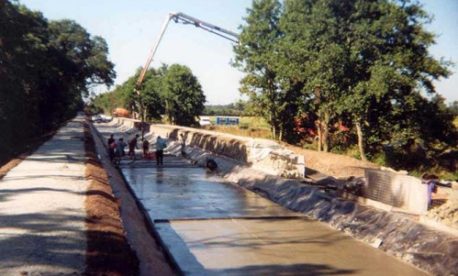
Containment System Design Our service includes liner design, structural interface detailing, and where required we will incorporate Q.A procedures and installation inspection. We therefore ensure the right quality / cost balance is achieved with a guarantee of durability and longevity. We often work as part of the project design team for larger scale projects, where our expertise and specialised knowledge can be of most benefit. Some of our major projects include those below. Clicking on each image will take you to the relevant pages on our Butek Landline Geomembrane Lining Solutions Site.
Further information, case studies, material specification and chemical resistance charts can all be viewed on our dedicated Specialist geomembrane linings & installations site linked below.

Images top to bottom: Wortley Reservoir Lining, Strathclyde Business Centre Water Feature and Montgomery Canal Relining Works.